

What is Demand Planning?
How Demand Planning Turns Data Into Reliable Forecasts
At its core, demand planning transforms raw data into actionable insight. To predict what customers will purchase and when, businesses look at past sales, open orders, seasonality patterns, promotions, and market trends. Sophisticated technologies within Business Central and the Microsoft ecosystem, such as real-time data visibility, statistical forecasting models, and automation, enhance this process. Teams use a single source of truth rather than spreadsheets or conjecture. Demand planning is essential for expanding businesses to strike a balance between cost containment and customer service. Accurate projections help companies have the proper amount of inventory on hand, prevent excessive carrying costs, and lower the possibility of stockouts that harm their reputation with customers. Conversely, inadequate demand planning frequently results in overstocks, hurried orders, production hiccups, and missed income possibilities.
The Shift From Forecasting to Predictive Demand Intelligence
Demand planning is changing from reactive forecasting to proactive decision intelligence as artificial intelligence and predictive analytics continue to advance inside the Microsoft ecosystem. Businesses that make investments in cloud-based, connected planning tools put themselves in a position to lower operational risk, increase customer satisfaction, and react to market changes more quickly.
Demand planning is more than just a forecasting exercise in practice. This strategic discipline influences financial performance, supply chain resilience, and inventory optimization. Demand planning is a potent tool for scalable growth and operational excellence when it is properly applied within Business Central and backed by knowledgeable partners.
How Microsoft Integration Strengthens Demand Planning
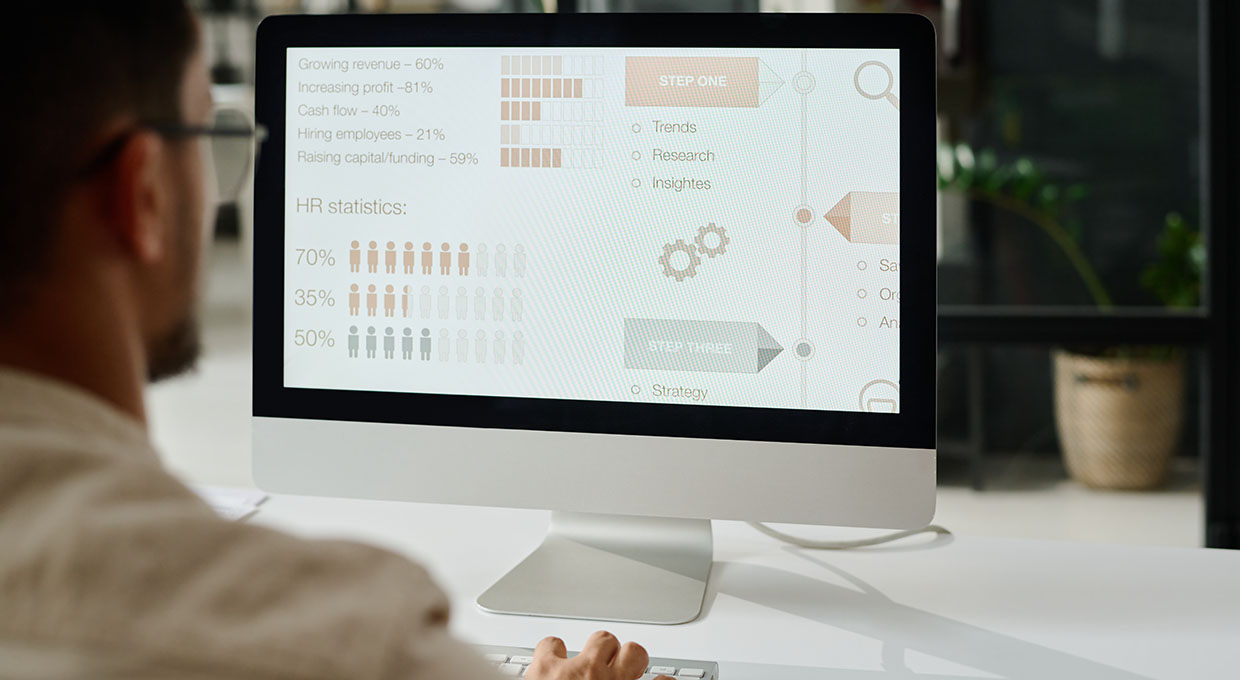
When integrated throughout the entire technological stack in a Microsoft-centric setting, demand planning gains even more potency. Resupply recommendations can be automatically generated by Business Central by combining sales history, item planning characteristics, vendor lead times, and supply policies. Organizations benefit from trend analysis and visual forecasting dashboards when combined with Power BI, which facilitates quicker executive decision-making. A more responsive and integrated planning process can be achieved by using Power Platform automation to start workflows in response to forecast changes.
A well-developed demand planning strategy usually consists of several essential elements. Data preparation ensures clean, consistent, and comprehensive historical data. Forecast modeling projects future demand using statistical techniques. Teams from operations, finance, and sales work together to assess and modify the projection. Lastly, ongoing monitoring allows the company to gradually increase accuracy by comparing actual results with expectations.
Why Trust in Demand Planning Still Breaks Down
The hardest thing for many businesses is not making a forecast but having faith in it. Outdated planning tools, manual data entry, and disconnected systems frequently result in unreliable outcomes. Digital transformation initiatives typically prioritize modernizing demand planning. Organizations may increase supply chain agility and boost trust in their statistics by centralizing data in Business Central and extending insights through the Microsoft Power Platform. Additionally, demand planning helps with more general Sales and Operations Planning (S&OP) projects. Leadership teams may better connect sales targets with labor planning, manufacturing capacity, and procurement budgets when they have accurate demand signals. Businesses that manage intricate product portfolios or operate in turbulent marketplaces need this cross-functional visibility.
RELATED TERMS
Ready to approach technology differently and start your Digital Transformation journey?
Since 1987, thousands of organizations have partnered with TMC to rethink their business processes and technology to empower their employees to achieve more, improve customer experience & adapt to the ever-changing global economy.